Why undergo frontoplasty ?
Frontoplasty may be considered for several reasons:
- Forehead height reduction : A high forehead can disrupt facial harmony. Lowering the hairline helps reposition it for a more proportionate appearance.
- Facial feminization : As part of a gender transition, frontoplasty plays a key role in softening features and creating a rounder, more feminine forehead.
- Eyebrow repositioning : Drooping eyebrows can give a tired or stern look. Surgery can lift the brows, resulting in a more open and youthful gaze.
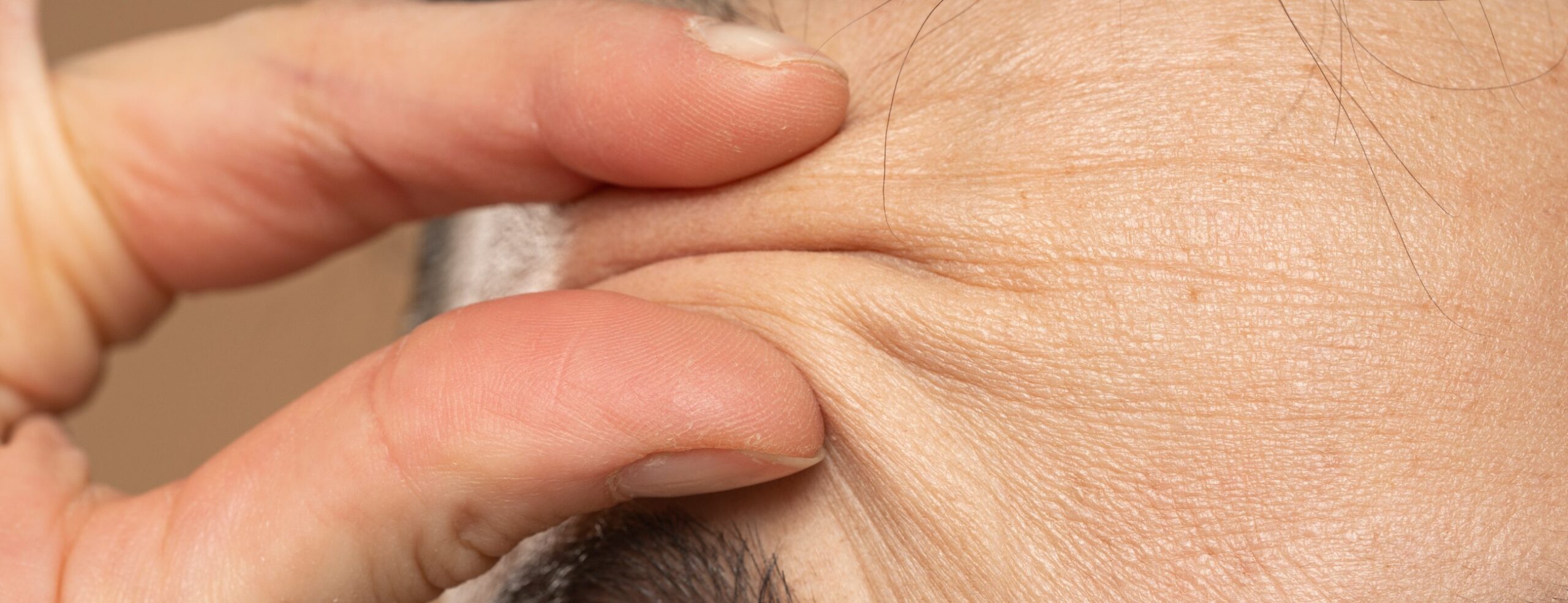
- Forehead wrinkle smoothing : With age, horizontal wrinkles may appear on the forehead. Frontoplasty can help reduce these signs of aging, especially when Botox is no longer effective.
How does forehead surgery work with Dr. Brault?
Initial consultation
The first step before undergoing frontoplasty is a comprehensive consultation. Dr. Brault performs a detailed facial analysis to determine the necessary adjustments. A visual simulation may be provided to help you preview expected results. This consultation is also used to assess your goals and ensure there are no contraindications for surgery.
Surgical techniques
Frontoplasty is performed under general anesthesia and typically lasts between 2 and 3 hours. Various techniques may be used depending on your needs:
- Frontal bone reduction by shaving : Reduces bony protrusions by shaving the glabella and upper forehead.
- Frontal bone impaction : This technique involves setting back the frontal bone near the sinus area and is used when the bone wall is thin.
- Brow lift : Often combined with frontoplasty, it lifts the eyebrows for a more open and feminine expression.
- Forehead height reduction through hairline advancement : This technique lowers the forehead to enhance feminization, with or without bone work.
Immediate postoperative period
At the end of the procedure, dressings are applied to protect the operated areas. An overnight stay at the clinic is generally scheduled to monitor the immediate postoperative course. There is usually no bruising, and swelling is minimal.
Frontoplasty: what to expect afterwards
The forehead may remain slightly swollen and numb for a few weeks. Final results are typically visible between 3 to 6 months, once the tissues are fully stabilized.
Regular follow-up appointments are scheduled at Dr. Brault’s Paris office to monitor healing and the progression of results. If you experience discomfort or have questions, the surgeon remains available to support you.
Postoperative follow-up is essential to ensure good outcomes and minimize complications.
Dr. Brault’s postoperative recommendations
- Apply cold compresses to reduce swelling
- Avoid intense physical activity during the first 4 weeks
- Sleep with your head elevated to promote drainage
- Follow proper hygiene protocols to avoid infection at the incision sites
- Avoid blowing your nose; instead, use saline rinses
Good to know: benefits and limitations of forehead surgery
Benefits of frontoplasty
- Visible and lasting results: Once healing is complete, the forehead takes on a natural, balanced appearance
- Feminization of features: This procedure is especially beneficial for individuals undergoing gender transition
- Boost in self-confidence: Forehead reshaping can greatly enhance personal well-being
Limitations and contraindications
- Recovery time: Final results take several months to appear
- Potential complications: Though rare, infections, bleeding, or asymmetry may occur
- Not suitable for all profiles: Individuals with bleeding disorders or certain chronic illnesses should avoid this surgery
Conclusion
Frontoplasty is an effective surgical solution for both aesthetic concerns and gender transition needs. When performed by an experienced surgeon like Dr. Brault, it allows for a harmonious forehead appearance while enhancing quality of life and self-confidence.